Heidi Pacella: Homer Glen vs Illinois American Water Rate Hike
Heidi Pacella, a Homer Glen resident, spoke at the Illinois Commerce Commission public comment forum on Illinois American Water's proposed rate increase. She stood at the microphone the evening of July 14, 2026, at the Bolingbrook Community Center, and asked the Commission to reject the hike.
The room was packed — every seat taken, people standing along the walls. Heidi watched neighbors turned away at the door after the hearing room hit capacity.
They came to tell the Illinois Commerce Commission what Illinois American Water's bills are doing to their lives. Nearly every speaker in the first hour spoke against the increase, as ABC7 reported — much of it about affordability, and about what this does to families and seniors.
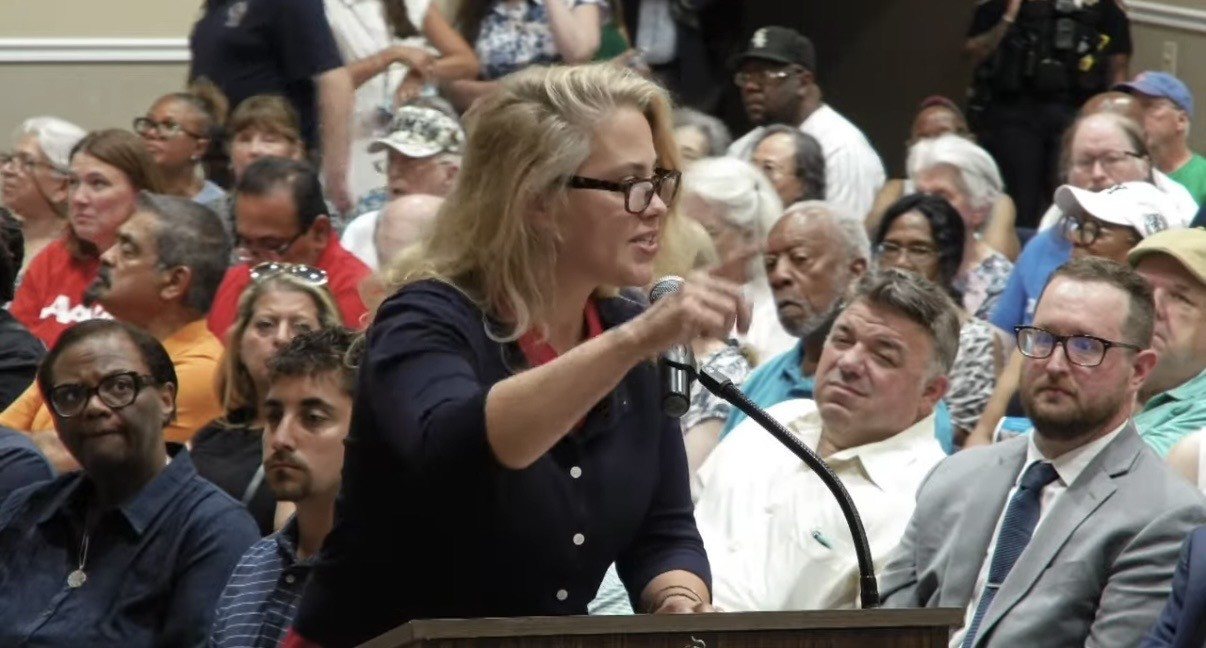
Homer Glen is in the same Illinois American Water rate case as Bolingbrook
Homer Glen is an Illinois American Water community. The rate increase argued in Bolingbrook is the same case, the same docket, and the same company that bills Homer Glen families every month. ICC Case 26-0127 covers both towns.
The Village of Homer Glen has opposed this increase since March 2026 — and, alongside it, the proposed merger that would put Illinois American and Aqua Illinois under the same corporate parent. Bolingbrook Mayor Mary Alexander-Basta and area legislators called on the ICC to reject it the week before the hearing. If the Commission approves the hike, the first round of new rates takes effect in January 2027 — with a second increase teed up for January 2028 in the same filing.
So a Homer Glen resident at a Bolingbrook microphone was not a visitor. It was the same fight, one town over.
What Heidi Pacella said at public comment
Heidi Pacella opened by telling the Commission exactly where she stands — and what she has to gain:
“I'm on a well and septic. This isn't my bill. It's my neighbors'.”
She made two arguments to the Commission.
First: twenty years of unkept promises to Homer Glen. On October 6, 2005, Illinois American Water's then-president, Terry L. Gloriod, sent the Village of Homer Glen a letter laying out a dozen numbered commitments — a customer-service representative stationed in the village office, a longer shut-off notice period, a request to the ICC for a senior residential discount, a conversion of wastewater charges from a flat rate to one based on actual use. The letter sits in Homer Glen's own case file as Exhibit 1.05 — and you can read all four pages of it here. Heidi told the Commission that twenty years later, those promises remain unkept — and that a company that does not honor what it signed should not be trusted with what it is now asking for.
Second: they are asking for a number this Commission already denied. Illinois American wants to raise its return on equity — the profit rate paid to its shareholders — from 9.84% to 10.75%.
Look closely at those two numbers. The company asked for 10.75% in its last rate case. In December 2024, this same Commission rejected it and set the return at 9.84% instead. The 9.84% it is now calling too low is the number the Commission gave it — and the 10.75% it wants instead is the exact number the Commission already turned down.
Same company. Same number. Asked and answered in its last rate case.
It sits inside a request for $142.4 million more from Illinois ratepayers, reaching roughly 357,000 residential customers. The Citizens Utility Board estimates that is about $14 more a month for a typical residential water customer, and about $28 more a month on top of that for wastewater customers.
Heidi Pacella asked the ICC to reject the proposed rate increase and to hold Illinois American Water to what is truly just and reasonable.
Many people never got called
When the Administrative Law Judge closed the forum, she acknowledged that a considerable number of people who had signed up were never called. They waited the whole night. They went home unheard.
If that was you — or if you were one of the people standing outside a full room — the case is still open for public comment.
A written comment goes into the same public record of the case as one delivered at that microphone — and the comment form is open right now. The Commission must rule by December 18, and it can decide earlier: in Illinois American’s last rate case, it ruled almost two weeks ahead of its deadline.
There are two different complaints. Most people file the wrong one.
This trips up almost everybody, so it is worth being precise.
1. A comment in ICC Case 26-0127 — this is the one that fights the rate hike. It goes on the public record in the case the Commission rules on, with a decision due by December 18. This is the only one of the two that speaks to whether the increase happens.
📝 File online: icc.illinois.gov — Comment on Case 26-0127
📞 Or call ICC Consumer Services: 1-800-524-0795, weekdays 8:30 a.m. – 5:00 p.m.
You do not have to live in Bolingbrook. If Illinois American Water bills you, what you write goes on the public record in this case — filed alongside everyone else's. You can read what your neighbors already filed here: Public Comments for 26-0127.
2. A billing complaint to Illinois American Water — this is about your bill, not the rate. Wrong charge, a leak adjustment, a broken meter, water quality, an unexplained jump. Start with the company:
📞 Illinois American Water customer service: 1-800-422-2782, weekdays 7 a.m. – 7 p.m.
And know this: Illinois American's own Rights and Responsibilities notice tells you that if the company does not resolve your dispute to your satisfaction, you have the right to take it to the Illinois Commerce Commission at 1-800-524-0795. That is the company's own paperwork. Use it.
If your bill is the reason you are angry, do both. The complaint fixes your account. The comment fights the increase.
Your comment, ready to make your own
The blank box is what stops most people. So here are two ways past it.
The fast way: our comment builder at heidiforhomer.com/water asks you a few questions and assembles your comment for you — ready to copy and file in about five minutes.
The by-hand way: the starting point below. Do not send it as-is.
Identical copy-and-paste letters are easy for regulators to discount. A comment in your own words, with your own numbers, stands on its own. The brackets below are the parts that make it yours — the middle paragraph is the part that carries the weight.
Re: Case 26-0127 — Illinois American Water proposed rate increase
I am a resident of [YOUR TOWN], and Illinois American Water has served my household for [NUMBER] years.
My water bill is now about $[AMOUNT] a month.
[TWO SENTENCES IN YOUR OWN WORDS ABOUT WHAT THAT MEANS FOR YOU. What you cut back on to pay it. What it was three years ago. What you pay compared to a neighboring town. A specific problem with service, billing, or water quality. A real example carries more weight than anything else you can write here.]
[IN YOUR OWN WORDS — the company wants to raise its shareholder profit rate from 9.84% to 10.75%, the same 10.75% this Commission rejected in December 2024. Say why that matters to you, and ask the Commission to reject the increase.]
[YOUR NAME]
[YOUR STREET ADDRESS, TOWN, ZIP]
Four things that make a comment count:
- Your own words in the middle. That paragraph is the whole comment. Everything else is scaffolding.
- A real number. Your bill. Your increase. What it was before.
- Your address. It puts you inside the service territory and on the record as a real ratepayer.
- Keep it short. One page beats five.
File your comment in Case 26-0127 →
Takes about five minutes. The decision is due by December 18 — and last time, the Commission ruled early. File now, not in December.
Why Heidi Pacella showed up for a bill she does not pay
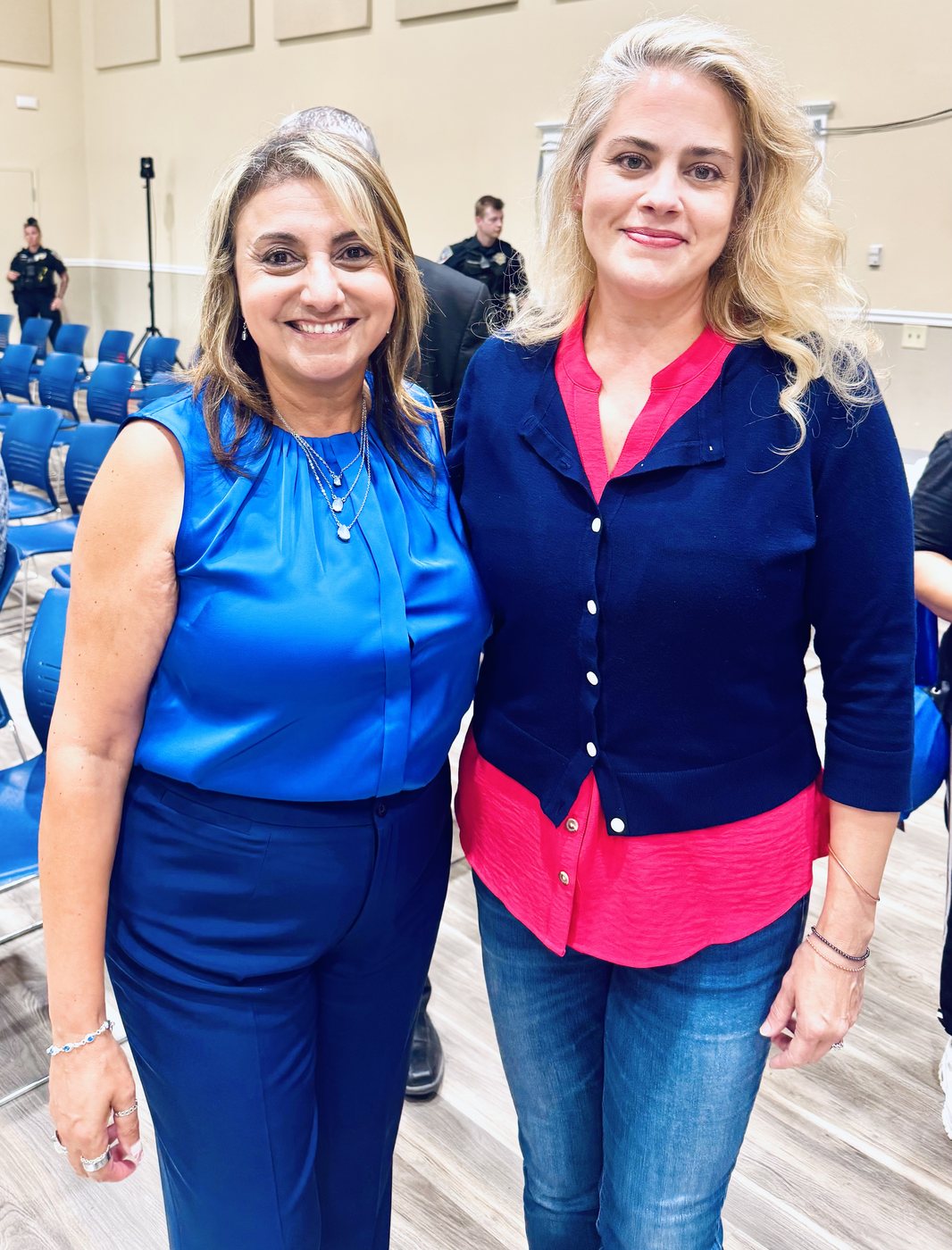
Heidi Pacella is on a well and septic. This rate case will never touch her own bill. That is exactly why she is going to keep showing up for it — because the Homer Glen families it does touch deserve someone in the room fighting for their bill, not her own.
On the night of July 14, a lot of people went home without being called. The public-comment file is the one place that cannot run out of time before you get to the microphone.
Use it.